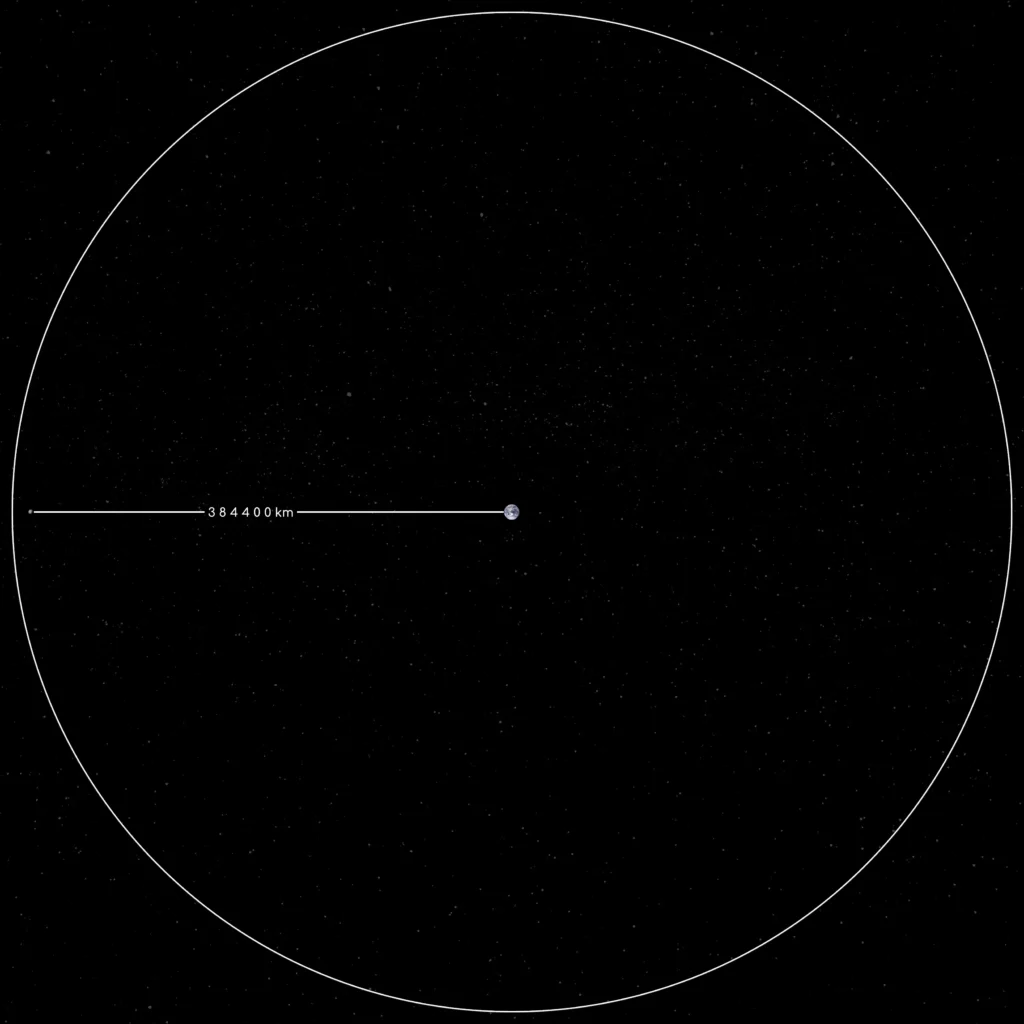
Image 1: The radius of the solar system in AU (astronomical units). Based on: NASA / JPL-Caltech, Public domain, via Wikimedia Commons
The Solar Commons
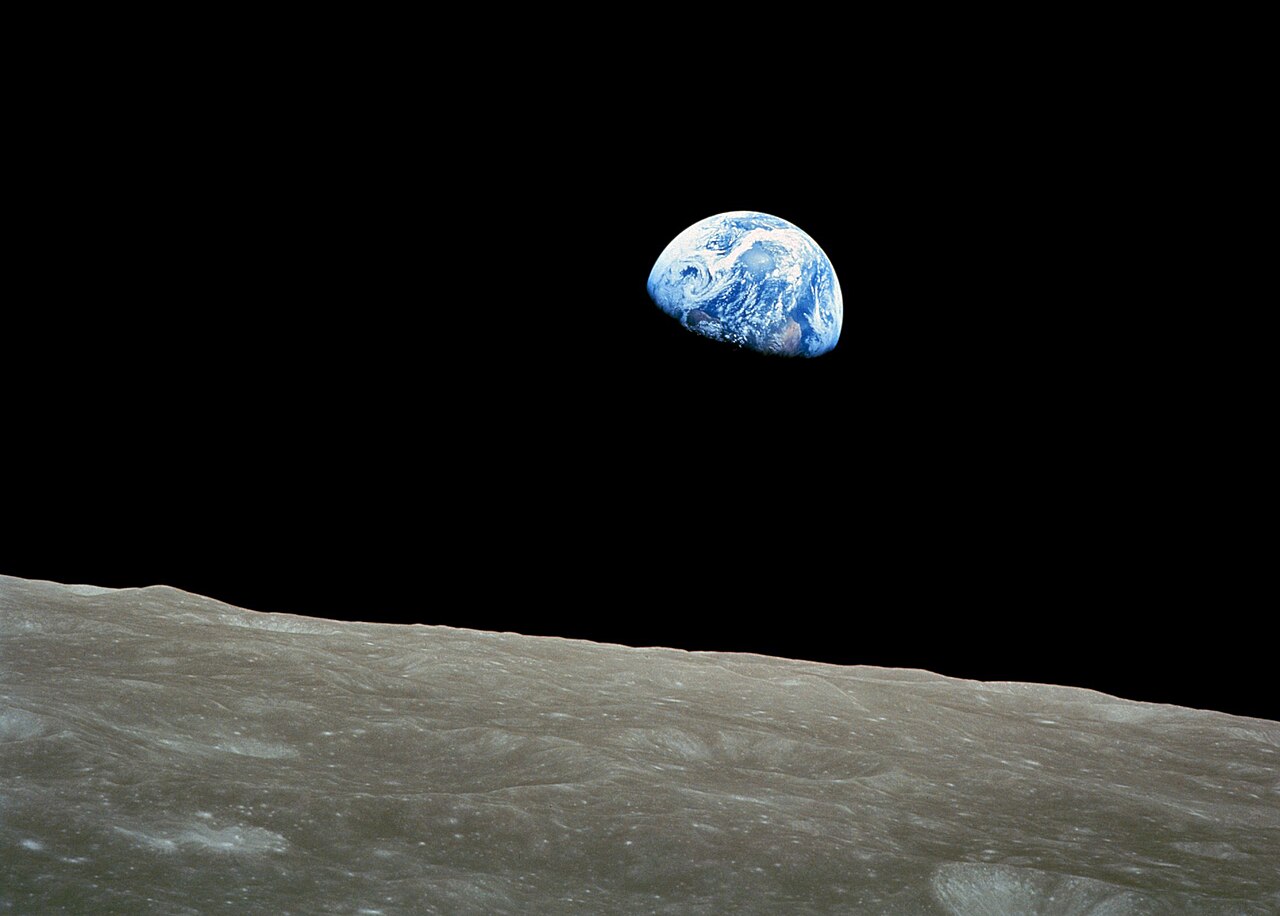
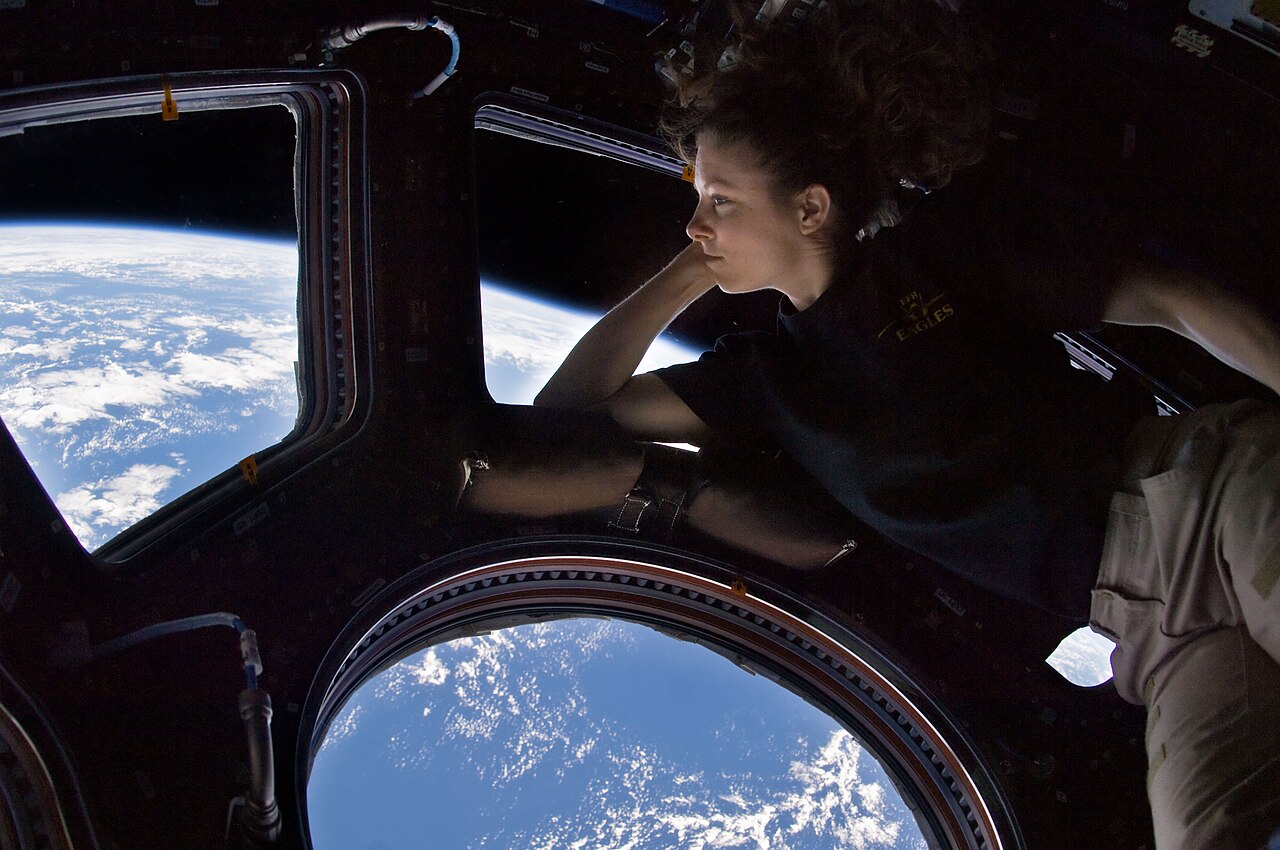
A few decades ago, we humans saw our home from the outside for the first time. From that vantage point, Earth appeared as it truly is: a fragile sphere of life suspended in darkness, carried through space by the wider Solar System that shaped our climate, our seasons, and our entire evolutionary past.
Our immediate task is to restore Earth’s climate and biosphere after centuries of mismanagement. Yet, this responsibility is strengthened when we recognise that the Solar System is not a distant abstraction. It is the cradle of everything we are, and the wider environment that allows Earth to exist at all. Seeing this context does not pull our attention away from Earth. It deepens our understanding of why Earth must be protected, and inspires the effort. Recognising the Solar System as our extended home is not a claim of ownership. It is a declaration of responsibility and care.
For all practical purposes, we are the only conscious stewards present in this system. The likelihood of other intelligent species originating here is extremely small. Therefore, when we say “this is our home to safeguard,” no one is excluded. If we are visited by life from elsewhere in the cosmos—and credible evidence for that possibility is increasing—our stewardship must be exercised on the same principles we must apply among ourselves: mutual cultural respect, non-domination, and peaceful coexistence. Any visitors must respect us in return.
From the Earth–Moon system where humanity already operates, through the inner planetary neighbourhood, and outward toward the distant regions still held in orbit by the Sun’s pull, we affirm the idea of the Solar Commons:
A commitment to protect and preserve the entire Solar System as a shared heritage of humanity and life — beginning, always, with Earth.
Proclaimed on Earth, 2025-11-27
This text is a first draft. We warmly welcome comments, reflections, and suggestions for improvement from anyone who wishes to contribute to its further development.
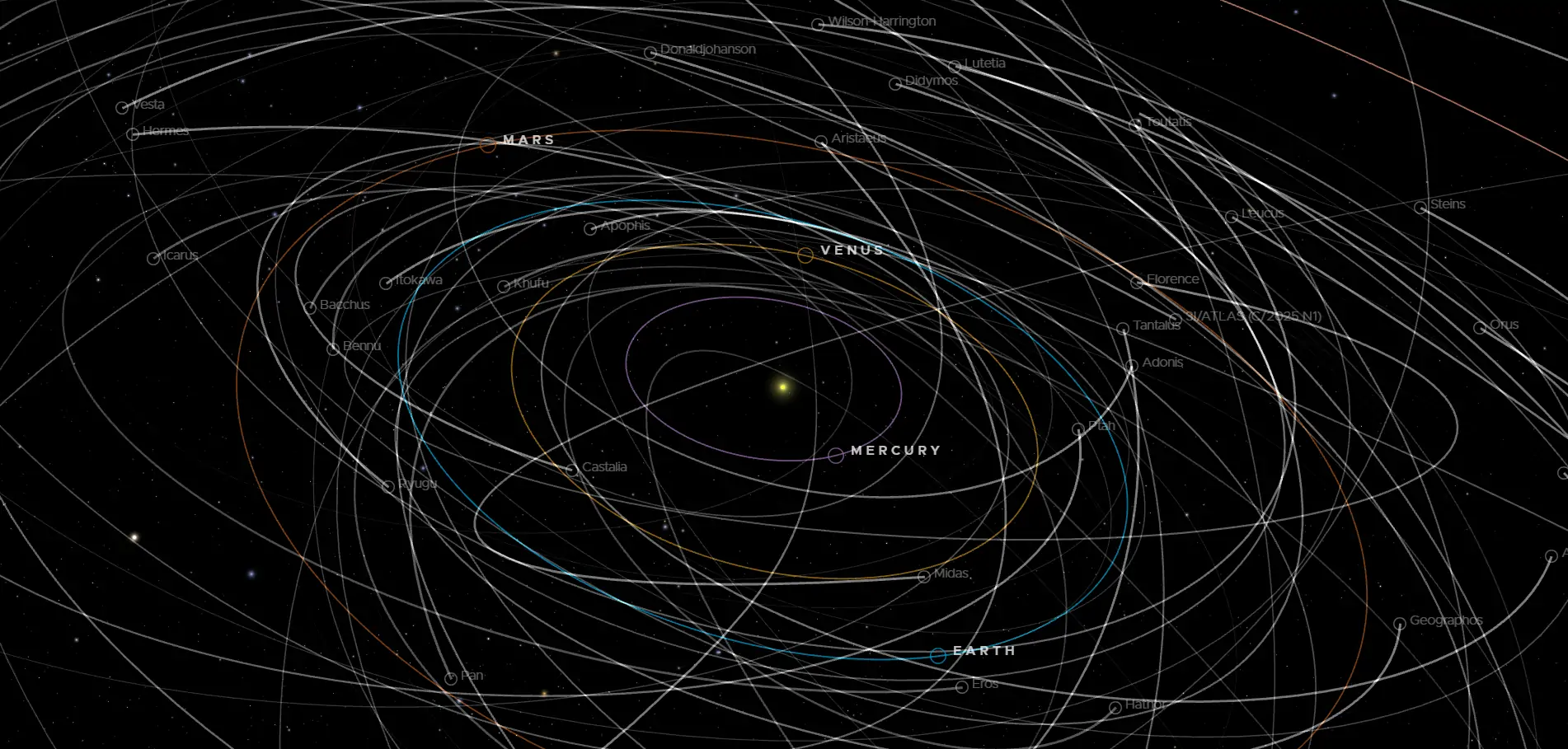
Image 2: The inner part of our solar system, with trails of asteroids and comets. Screenshot from NASA interactive 3D model of the solar system (Eyes on the Solar System)
Image 3: Earth and the Moon with correct relative size and distance between them. Based on: Lunar distance – Wikipedia and OSIRIS-REx probe image – Wikimedia)